
Payment verification
FUN88 Payment Information for India
Use this guide to check payment-category claims, recipient identity, KYC, limits and fraud warnings. It does not provide a deposit or withdrawal process.
Payment categories are not support claims
A common Indian method may still be unavailable, restricted or changed on a particular service. No partnership with a payment brand is claimed here.
Checks before any payment decision
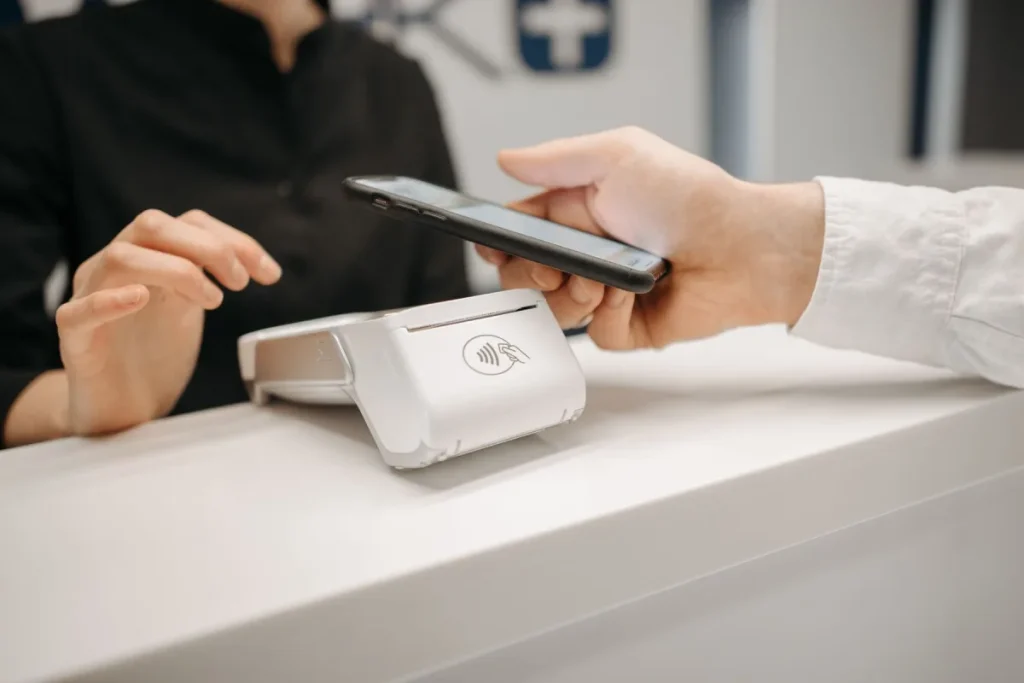
Confirm the page and recipient through an independent route.
Read the payee and account-name requirements.
Review current fees, limits, KYC and processing information.
Keep the reference and verify any support contact separately.
Withdrawal-information checks
Do not assume a fixed processing time, minimum, fee or guaranteed outcome. Check the current rules on the authenticated service page. Be cautious if a private contact asks for another transfer to release an earlier amount.
Stop if someone asks for
- A UPI PIN or OTP
- Remote screen access
- A transfer to a personal account
- Secrecy or immediate action
- Payment to unlock a refund or withdrawal
Fees, limits and KYC: what to verify
| Item | Question | Neutral fallback |
|---|---|---|
| Minimum or maximum | Is the figure current and method-specific? | Check the current limits on the relevant service page. |
| Processing information | Is it an estimate or a commitment? | Do not rely on an old or fixed time claim. |
| Fees | Who charges them and when? | Review both service and financial-provider terms. |
| KYC | Who collects the document and why? | Use only a verified and lawful route. |
| Failure | Was money actually debited? | Check the bank record before repeating a transaction. |
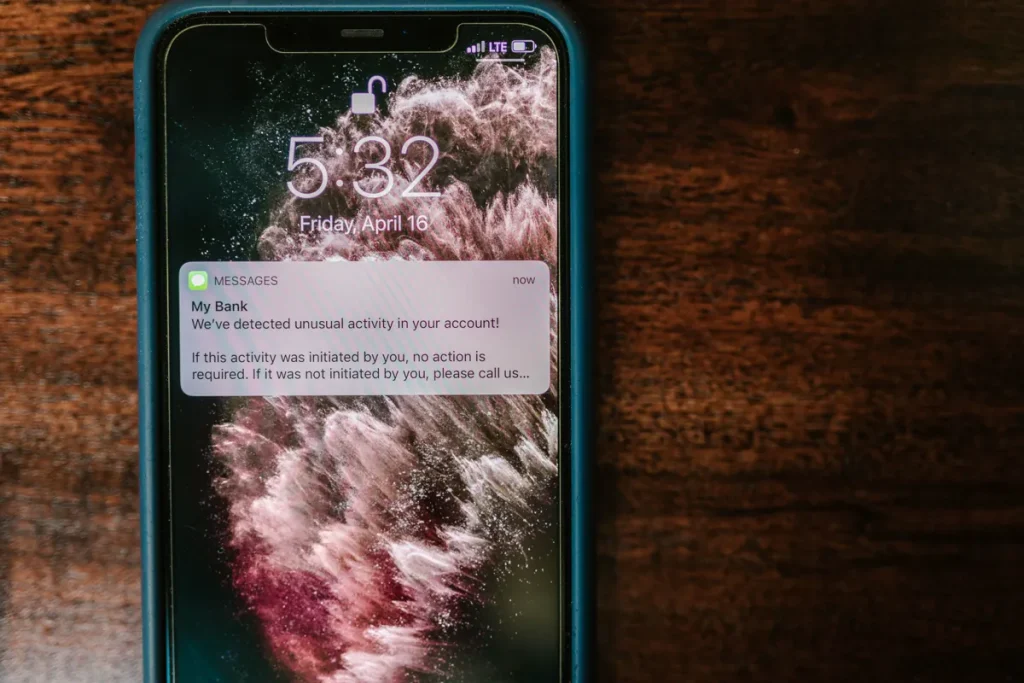
If a transfer looks suspicious
- Stop further payments and end screen sharing.
- Preserve the UTR, time, amount, payee and message.
- Contact the bank or provider through its official app or independently found number.
- Secure exposed email, phone and account credentials.
- Report unauthorised activity promptly through current official channels.
Payment questions
This site does not publish a fixed list because current support can change and has not been independently confirmed. Verify it on the relevant, authenticated service page.
A collect request generally seeks approval to debit the payer. Read the action, amount and payee; never share the UPI PIN.
No. It cannot receive, hold, release, trace or reverse funds.
Name matching may be used for identity and fraud controls. Check the current rule and never use another person’s identity or instrument to bypass it.
Keep the UTR or reference, timestamp, amount, payee, screenshots and conversation, then contact the bank or payment provider promptly.
Do not allow an unknown person to control or view a banking session. Verify support independently and end any request for a PIN or OTP.
Build a verification record before responding to a payment claim
A useful payment record is factual and does not expose credentials. Write down the displayed payee, amount, timestamp, reference number, payment-application status and the separately verified channel used for support. Do not store a UPI PIN, card security code, password or OTP in the record. Those values authorise access and are not evidence that should be sent to an editorial website.
| Record | Keep | Do not include |
|---|---|---|
| Transaction reference | UTR or provider reference | UPI PIN or OTP |
| Recipient | Displayed name and identifier | Full card details |
| Communication | Message, date and account name | Identity documents sent to strangers |
| Response | Bank case number and time | Remote-screen credentials |
If a transaction looks suspicious, contact the bank or payment provider through a route you locate independently. Do not make a second “recovery” transfer. See the fraud-response guide for the immediate sequence and the privacy policy before contacting this editorial site.
Fees, limits and processing-time claims
A payment-method name alone does not establish the fee, limit, recipient or processing time for a particular service. These details can vary by bank, provider, account status, date and transaction type. Do not copy a minimum, maximum or timetable from an old article. A delay also does not prove that an additional payment will release money.
Before responding to any financial request, identify the service page independently, read the recipient shown by the payment application and confirm whether the action is a debit or credit. UPI approval screens should be read line by line. A PIN is used to authorise an action; it should never be spoken, typed into chat or entered while another person controls the screen.
- Verify the payee before approval.
- Do not rely on logos as evidence of a commercial partnership.
- Record fees and limits only from a current authenticated source.
- Reject payments to a personal account requested through chat.
- Contact the bank after a suspicious debit.
- Keep this editorial website outside every payment flow.
The page gives no FUN88 deposit or withdrawal steps. Its purpose is to help a reader distinguish a checkable financial statement from an impersonation or recovery-payment scam.
A legitimate bank investigation may use secure in-app or branch procedures. That does not make a request through an unknown messaging account safe. Find the institution’s route independently and compare the displayed recipient and case reference before responding.